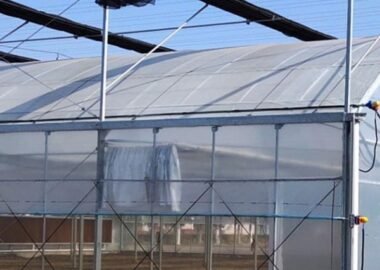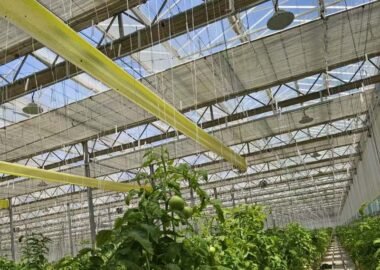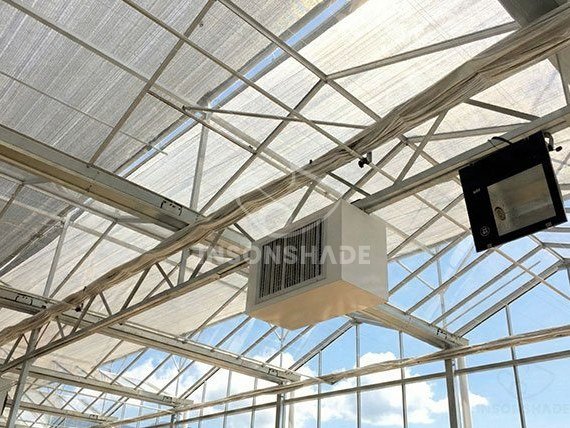
During cold seasons or cold nights, many greenhouses need heating to maintain suitable growing conditions for crops. This includes greenhouses in high-latitude regions with cold winters and those at high elevations where nighttime temperatures can drop sharply. Greenhouse thermal screens, also known as energy-saving curtains, use a closed structure to form a barrier above the crop area, helping reduce heat loss and heating demand.
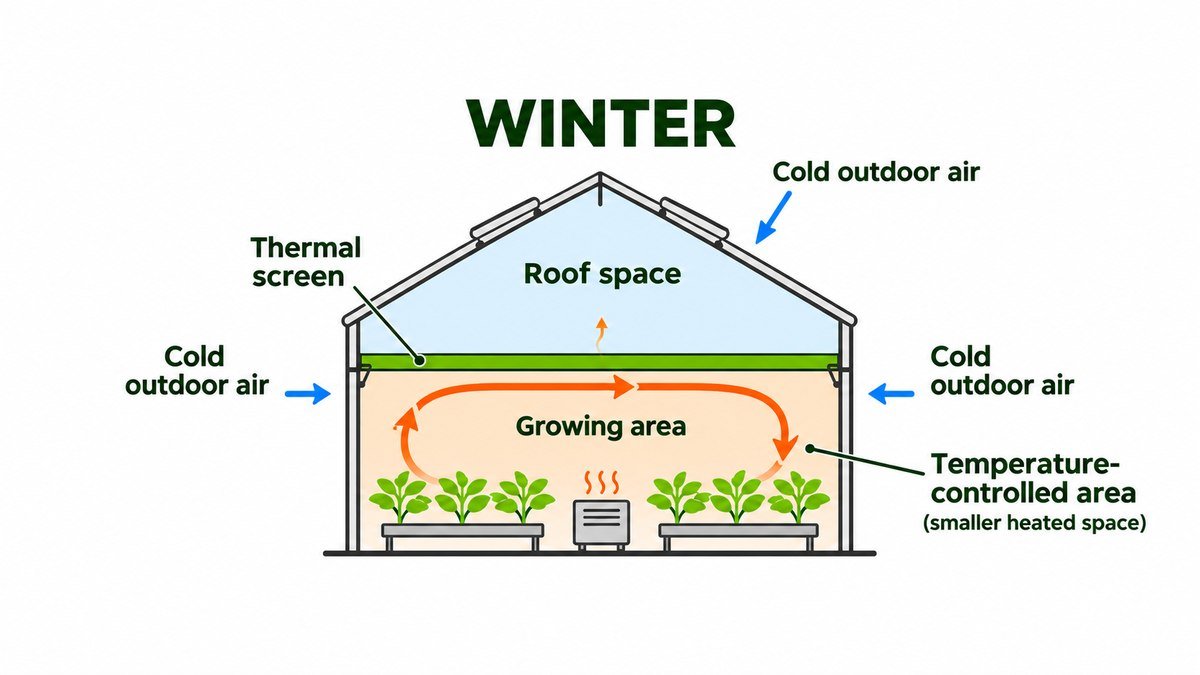
Heat retention is one part of the decision. When a screen is deployed, it also affects the light reaching the crop. Some greenhouses need to retain as much natural light as possible, while others need shading, more even light distribution, or photoperiod control. Once you have established your heat-retention needs, consider the light requirements of your crop and greenhouse to choose a suitable screen.
This article introduces four thermal screen options based on light requirements and explains how to compare individual models.
Identify Your Greenhouse’s Light Needs
When choosing a greenhouse thermal screen, first consider when it will be deployed and how much light your crop needs during those periods.
If natural light is limited during the cold season and you want to retain as much of it as possible when the screen is deployed, consider a high-transmission thermal screen. If your greenhouse needs heat retention at night and shading during periods of strong sunlight, compare reflective aluminum screens.
Some greenhouses need to reduce areas of intense light and shadow so that light reaches the crop more evenly. In that case, consider a light-diffusing thermal screen. If your project requires control over the hours of light a crop receives, or needs to reduce light escaping from supplemental lighting, explore blackout thermal screens.
A greenhouse may have more than one of these needs. Identify your main light-management goal, then compare the screen types and models below based on when the screen will be used and the heat retention you need.
Choose a Thermal Screen for Your Light Needs
1. Heat Retention and Shading: Reflective Aluminum Screens
If your greenhouse needs heat retention during cold periods and shading when sunlight is strong, consider a reflective aluminum thermal screen.
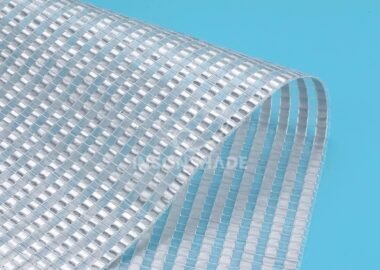
The aluminum strips in these screens reflect some incoming light, reducing the amount that reaches the crop area. When used with a greenhouse curtain system, closed-structure models can also form a thermal layer during cold periods and help reduce heat loss.
Thermax offers closed-structure models with different combinations of aluminum and transparent strips for different shading and light-transmission needs. For example, Thermax W5060 has a 50% shading rate, 50% light transmission, and a product energy-saving rating of 60%.
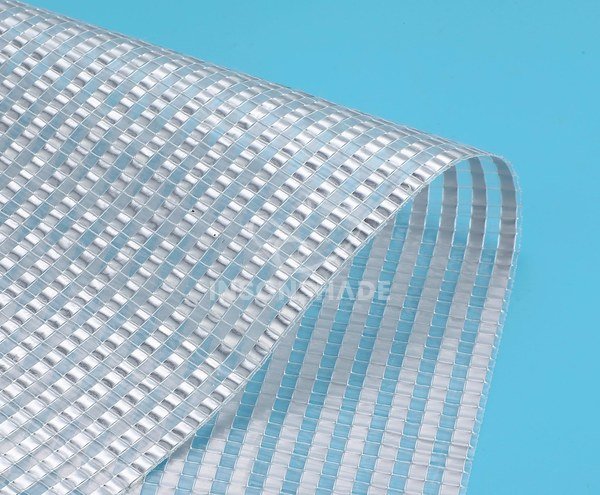
When comparing models, consider when the screen will be deployed and how much light the crop needs. For example, if natural light is already limited on winter days, check whether the screen will allow enough light through when deployed.
2. Heat Retention and Natural Light: High-Transmission Screens
If your greenhouse needs heat retention during the cold season but has limited natural light during the day, consider a high-transmission thermal screen. When deployed, this type of screen helps reduce heat loss while allowing more natural light to reach the crop area.
Transix is a high-transmission energy-saving screen series for greenhouse projects that need heat retention while preserving natural light. For example, Transix W1531 has 85% light transmission, a 15% shading rate, and a product energy-saving rating of 31%.
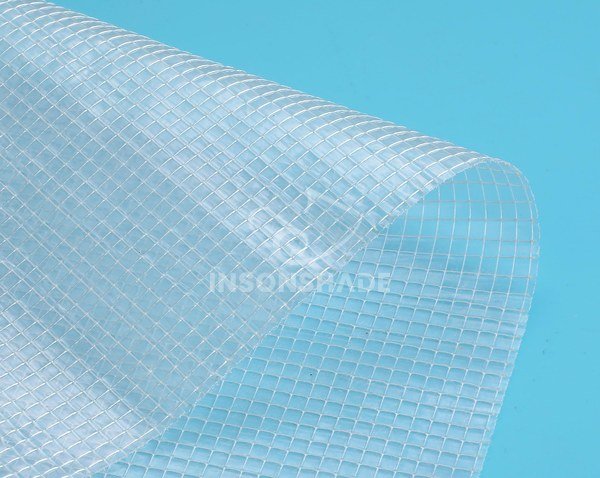
High-transmission screens are particularly worth considering during seasons when light is limited. If the greenhouse also needs shading at other times, assess local light conditions and existing shading equipment to decide whether its lower shading rate will meet your needs throughout the year.
3. Heat Retention and More Even Light: Light-Diffusing Screens
If your greenhouse needs heat retention and more even light distribution across the crop area, consider a light-diffusing thermal screen.
These screens use diffusing strips to scatter incoming light, allowing it to reach the growing area from more angles. This can help reduce strong contrasts between areas exposed to direct sunlight and those in shade. Models designed for heat retention can also help reduce heat loss during cold periods.
Diffusa offers screen options that combine light diffusion and heat retention. For example, Diffusa W3850 has a 38% shading rate and 62% light transmission; the Diffusa W series has a 50% energy-saving rating.
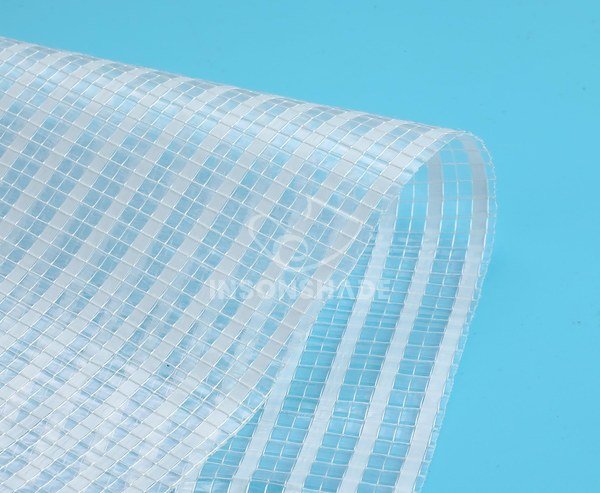
Start by looking for areas of intense light or shadow in the greenhouse. Then compare the shading rates and light transmission of different models against the light your crop needs when the screen is deployed. For more on identifying a light-distribution problem, see Diffuse Light vs. Direct Light in Greenhouses.
4. Heat Retention and Photoperiod Control: Blackout Screens
If your greenhouse needs heat retention and you grow crops that are sensitive to the length of their light period, consider a blackout thermal screen. These screens can help control the hours of light crops receive. They are also suitable for projects that need to reduce light escaping from supplemental lighting.
Darko is a greenhouse screen series for blackout and photoperiod management. For example, Darko K10075-AB is black on one side and aluminum-colored on the other, with a product energy-saving rating of 75%. The Darko series has a 99.9% shading rate and 0.1% light transmission.
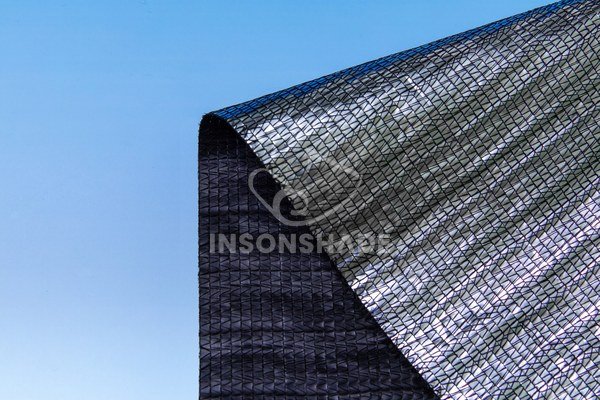
When selecting a blackout screen, compare the material’s light-blocking specifications and check the seams, edges, and connections to the greenhouse structure to reduce unwanted light leakage. If the greenhouse also needs natural light during the day, consider when the screen will be used so that it does not interfere with the crop’s light requirements.
How to Compare Individual Screen Models
Once you have identified your greenhouse’s light needs, you can compare individual models within the relevant screen types. Start with three specifications: light transmission, shading rate, and the product’s energy-saving rating.
| Example model | Main light-management function | Light transmission | Shading rate | Energy-saving rating |
|---|---|---|---|---|
| Thermax W5060 | Reflection and shading | 50% | 50% | 60% |
| Transix W1531 | High light transmission | 85% | 15% | 31% |
| Diffusa W3850 | Light diffusion | 62% | 38% | 50%* |
| Darko K10075-AB | Blackout and photoperiod control | 0.1%** | 99.9%** | 75% |
* The 50% energy-saving rating is listed for the Diffusa W series.
** The light transmission and shading rates are listed for the Darko series.
First, check whether the light transmission and shading rate meet your greenhouse’s needs when the screen is deployed. Then consider whether the model’s energy-saving rating fits your heat-retention goals. A greenhouse seeking to preserve more natural light during the cold season, for example, can start by comparing higher-transmission models. A project requiring photoperiod control should focus on blackout performance.
The energy-saving ratings in the table are product specifications that help you understand and compare the heat-retention performance of different models. Actual greenhouse energy savings also depend on the local climate, greenhouse structure, screen deployment time, and control strategy. When comparing figures from different suppliers, check their test methods and conditions. For more on annual energy savings, read How Much Energy Can Greenhouse Thermal Screens Save Annually?
What Else Should You Check Before Selecting a Model?
Once you have established your light and heat-retention needs, check whether the screen can work with your greenhouse’s existing system. Start with the installation method, finished dimensions, and drive system. If the greenhouse already has other screens, consider how the new screen will operate alongside them.
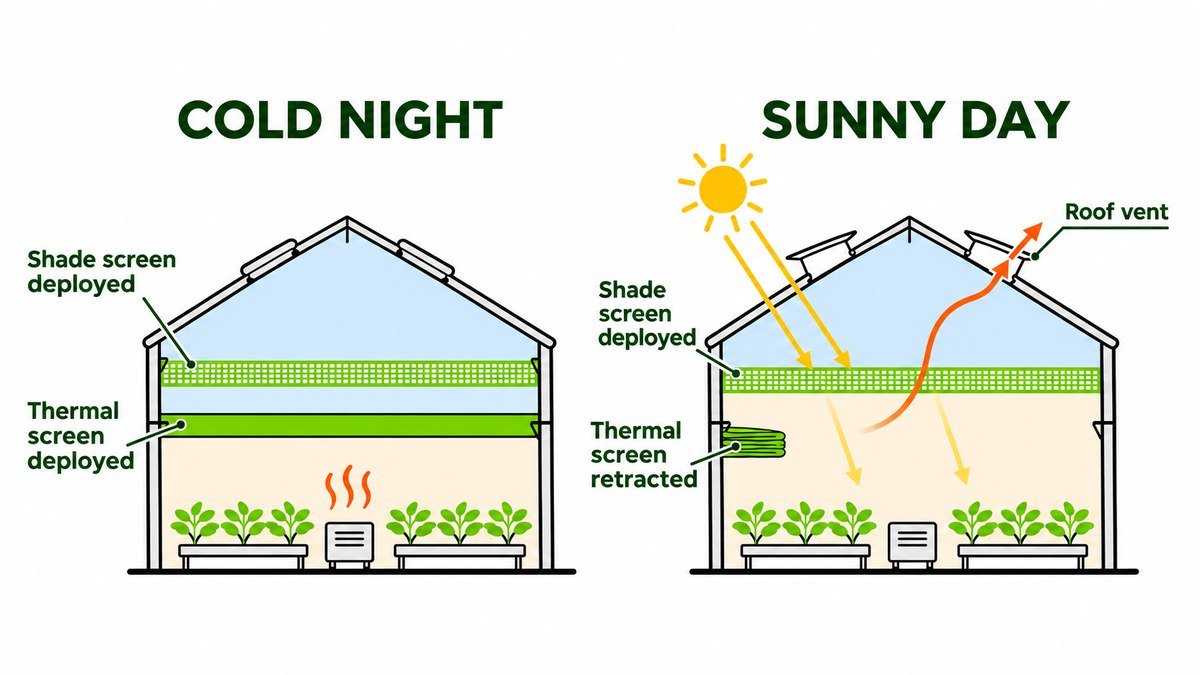
Humidity and ventilation still need to be managed while the screen is deployed. Explain your existing ventilation method and screen control system to the supplier so that you can assess whether the material and operating approach are suitable.
If the project has specific flame-retardant, dimensional, or fabrication requirements, confirm that the selected model can meet them and request the relevant documentation.
Before requesting a quotation or sample, prepare details of your crop, project location, main season of use, light requirements, existing curtain system, and required dimensions. This information helps the supplier recommend suitable models for further comparison.