When you source shade cloth, hail netting, insect netting, or other outdoor agricultural fabrics, product descriptions often include phrases such as “HDPE with UV protection” or “UV-stabilized HDPE.” These claims can make it sound as though all HDPE is naturally suitable for years of outdoor exposure. The reality is more nuanced.
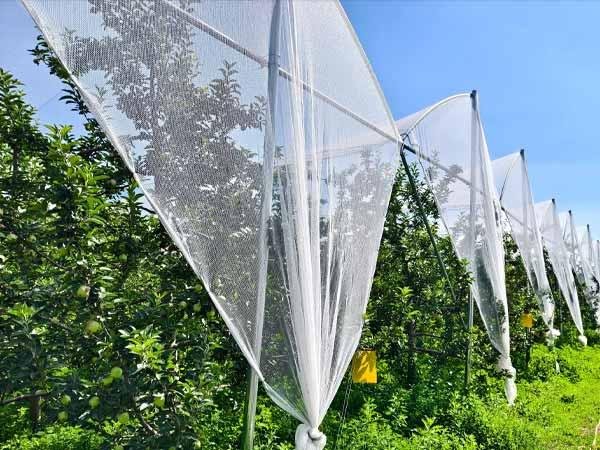
If a buyer looks only at the polymer name and does not confirm how the material is stabilized, how the formulation is controlled, and how the net is manufactured, the risk of fading, brittleness, yarn breakage, and strength loss can increase over time.
This guide explains the difference between standard HDPE and UV-stabilized HDPE. It also shows what buyers should check when choosing shade cloth, hail netting, insect netting, or other protective netting for long-term outdoor use.
Is HDPE Naturally UV Resistant?
The most accurate answer is: HDPE is a practical base material for outdoor agricultural netting, but its long-term UV resistance depends mainly on proper UV stabilization.
HDPE offers useful toughness, tensile properties, and water resistance. It can also be processed into monofilament, tape yarn, woven fabric, and knitted netting. For these reasons, it is widely used in shade cloth, hail netting, insect netting, and bird netting.
However, untreated HDPE can undergo photo-oxidative degradation during prolonged UV exposure. The net may gradually lose flexibility, fade, become stiff, or develop brittle yarns. In more advanced stages, yarns can crack or break and the net can lose part of its original strength.
What Happens to HDPE Under Long-Term Sunlight?
UV degradation usually develops gradually. Color fading may appear first. The yarn can then become harder and less flexible, followed by a measurable decline in the strength and stability of the net.
Sunlight is only one part of the load. Outdoor netting is also exposed to rain, temperature changes, installation tension, wind movement, and repeated friction. Hail netting must additionally absorb impact, while retractable systems experience repeated opening and closing. Once the yarn becomes brittle, these normal loads are more likely to cause breakage and reduce protection.
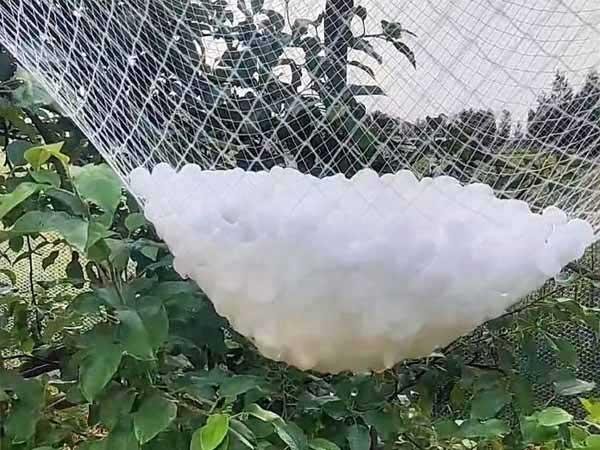
A new roll of netting can look and feel acceptable even when its long-term weathering performance is uncertain. That is why a clear UV-stabilization specification and consistent quality control are more useful to buyers than a simple “HDPE material” label.
What Makes HDPE UV Resistant?
Asking whether a product is made from HDPE is only the beginning. The outdoor performance of an HDPE net depends on its formulation, stabilizer package, color masterbatch, yarn design, net structure, and manufacturing consistency.
1. Light Stabilizers and UV Additives
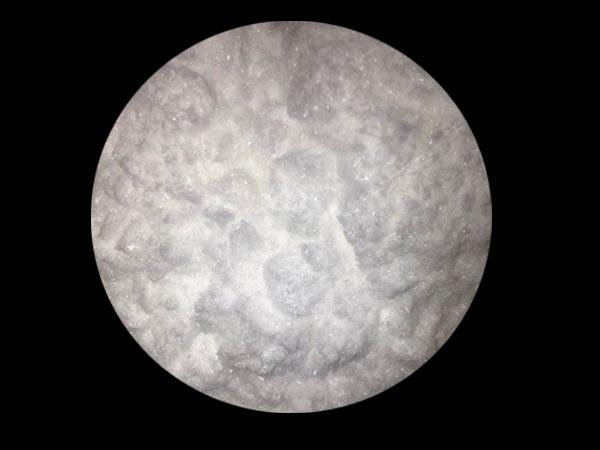
Adding light stabilizers or UV additives to the resin or masterbatch is a common way to improve outdoor weatherability. These additives do not make a net immune to aging. They slow the reactions that lead to embrittlement, cracking, and loss of mechanical properties, helping the material remain stable for longer under outdoor exposure. Research on polymer weathering also shows that stabilizer selection and formulation affect how well polyethylene resists UV-driven degradation.
2. Carbon Black
Carbon black is another established method for improving the UV resistance of polyethylene products, particularly black materials. Performance does not improve simply by adding as much carbon black as possible. The type, concentration, particle dispersion, and compatibility with antioxidants or other stabilizers all matter. The Plastics Pipe Institute notes that correct carbon black dispersion is important to UV protection in polyethylene materials.
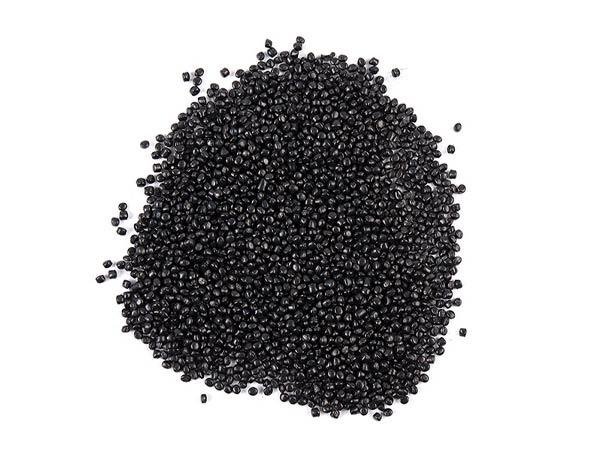
A net that looks black is therefore not automatically well protected. Low-quality carbon black or uneven dispersion can still produce inconsistent outdoor performance.
3. Yarn and Net Structure
UV stabilization cannot compensate for a weak product specification. If the yarn is too fine, the fabric weight is too low, or the structure is unstable, the net may still deform or break under the combined effects of sunlight, wind, and long-term tension.
For hail nets, shade cloth, and greenhouse vent screens, UV resistance should be evaluated together with tensile strength, mesh stability, edge reinforcement, and the installation method.
4. Production Quality Control
Manufacturing consistency also affects service life. Buyers should consider whether additives are evenly dispersed, extrusion is stable, yarn dimensions are controlled, fabric tension is consistent, and heat setting and packaging are handled correctly.
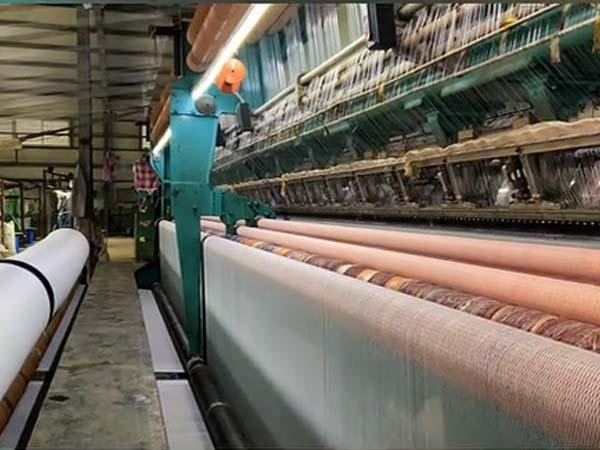
In short, the words “UV resistant” on a product page are not enough. A reliable supplier should be able to explain the material formulation, product specification, and production controls used for repeat orders.
How Can Buyers Evaluate UV-Resistant HDPE Netting?
Start by confirming that the product is made from UV-stabilized HDPE, not simply HDPE. Ask how UV protection is achieved: through a stabilizer package, carbon black, a weather-resistant masterbatch, or a combination of these methods. The supplier should also be able to explain how the additives are dispersed and controlled during production.
Next, evaluate UV resistance as part of the complete net specification. The right questions depend on the product and project, but the following checks provide a practical starting point:
- Material: Is the resin virgin, recycled, or blended, and is the HDPE explicitly UV stabilized?
- Stabilization: Which UV stabilizers, weathering additives, or carbon black system are used?
- Physical specification: What are the GSM, yarn type, mesh size, and relevant tensile properties?,
- Functional performance: Does the shade rate, airflow, or mesh opening match the crop and application?
- Installation: Will the net face continuous tension, strong wind, hail impact, repeated movement, or contact with support cables?
- Project conditions: What are the expected UV intensity, temperature range, exposure period, and maintenance practices?
- Quality control: Can the supplier provide consistent specifications, batch control, testing information, and samples for evaluation?
The most useful procurement question is not simply, “Is this net UV resistant?” It is, “How is the UV resistance achieved, and does this specification match my climate, crop, installation, and expected service period?”
Frequently Asked Questions
1. Does all HDPE contain UV stabilizers?
No. HDPE describes the base polymer, not a guaranteed stabilization package. Buyers should confirm that the finished net is specifically formulated for outdoor exposure.
2. Is black HDPE always more UV resistant than white HDPE?
Not automatically. A well-formulated carbon black system can provide strong UV protection, but color alone does not prove the quality, concentration, or dispersion of the additive. White and other colored nets can also be designed for outdoor use with suitable stabilizers.
3. Can UV resistance alone determine net service life?
No. Service life also depends on yarn strength, fabric weight, mesh stability, installation tension, wind, temperature, chemical exposure, handling, and maintenance. UV stabilization must be assessed as one part of the complete product and system.
Conclusion
HDPE is a widely used material for outdoor agricultural netting, but the polymer name alone does not guarantee long-term UV resistance. Reliable outdoor performance usually requires a suitable stabilization system, a balanced product specification, and consistent manufacturing quality.
When comparing products, consider UV protection together with GSM, yarn type, mesh stability, tensile strength, shade rate, airflow, and installation conditions. The best specification is the one that matches the actual climate, crop, structure, and service expectations of the project.
INSONSHADE manufactures UV-stabilized HDPE protective netting for shade, hail, insect, bird, orchard, nursery, and greenhouse-vent applications. For distributors, project buyers, and commercial growers, our team can help match net specifications and packaging options to the target market and operating environment. Contact INSONSHADE to discuss your application requirements.