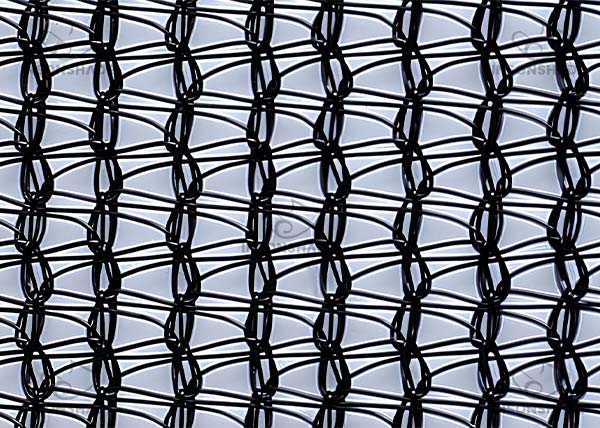
As the global market for plastic protective netting continues to grow, with HDPE remaining the main material, HDPE nets are no longer limited to one or two traditional uses. They have gradually become a practical protective solution used across agriculture, construction, industry, municipal works, and public infrastructure.
So, where exactly are HDPE nets used? What types of projects does each net type fit? And how should buyers choose the right product for different customer needs?
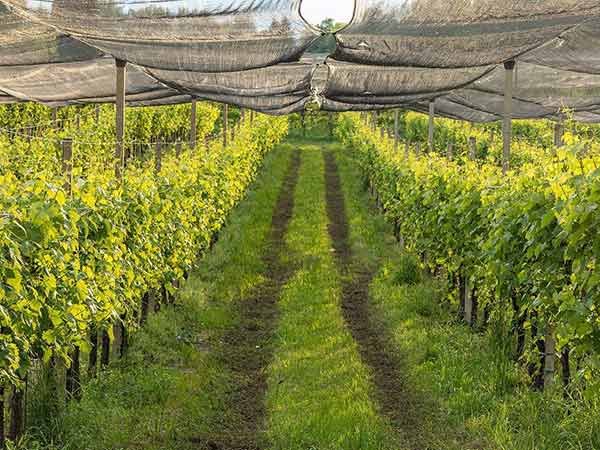
As a manufacturer and wholesale supplier with years of experience in HDPE protective netting, INSONSHADE has summarized 16 typical application scenarios based on long-term project practice.
This article will help you quickly understand how HDPE nets are used in different industries, what technical logic sits behind each type, and what to pay attention to when choosing products for your own projects.
What Is HDPE Netting? A Quick Overview
HDPE netting, or high-density polyethylene netting, is a lightweight protective mesh made from high-density polyethylene yarns. Compared with ordinary PE or nylon nets, HDPE nets generally offer better tensile strength and better resistance to aging. When UV stabilizers are added, their outdoor service life can often be extended to 3 to 10 years.
Because of these properties, HDPE netting is commonly used in agriculture, greenhouse production, protective engineering, construction, municipal facilities, and industrial environments.
16 Typical Uses of HDPE Nets in 4 Major Industries
Before we look at these 16 applications one by one, the table below gives you a quick way to see where HDPE netting is used, what each application is for, and what specifications are commonly involved.
Quick Overview of HDPE Net Applications
| No | Industry | Application | Typical Use | Common Specification / Features |
| 1 | Agriculture | Anti-bird Netting | Bird protection for grapes, cherries, and blueberries | 15–25 mm mesh opening |
| 2 | Agriculture | Hail Netting | Orchard hail protection and impact buffering | 4–10 mm small mesh opening |
| 3 | Agriculture | Insect & Fruit Fly Netting | Pest control for tomatoes, cucumbers, strawberries, and similar crops | 40–80 mesh fine mesh |
| 4 | Agriculture | Shade & Anti-sunburn Netting | Light reduction, cooling, and sunburn prevention | 30–80% shade rate |
| 5 | Agriculture | Windbreak Netting | Orchard boundaries, greenhouse openings, and coastal farms | Around 40% porosity, vertical installation |
| 6 | Agriculture | Aquaculture Netting | Fish ponds, shrimp ponds, and cage farming | High tensile strength, salt-mist resistance |
| 7 | Agriculture | Home & Garden Netting | Garden fencing, privacy screening, and balcony safety use | Lightweight, easy to install, low cost |
| 8 | Construction | Scaffold & Debris Netting | Blocking falling debris on building exteriors | Reinforced HDPE, UV-resistant, high tensile strength |
| 9 | Construction | Fall Protection Netting | Preventing worker falls in elevated work areas | Thicker, stronger, with impact buffering |
| 10 | Construction | Construction Shade / Wrap Net | Visual screening and dust reduction on construction exteriors | Medium-density screening, UV-resistant |
| 11 | Construction | Dust Control Netting | Covering soil piles, sand piles, and spoil piles | Lightweight, breathable, UV-resistant |
| 12 | Industrial & Logistics | Dust, Bird, and Isolation Netting | Stockpile dust control, material covering, and factory-area separation | Engineering-grade, wind-resistant, corrosion-resistant |
| 13 | Public Infrastructure | Waterway Debris Netting | Blocking floating waste in rivers, reservoirs, and drainage channels | Used with floats and anchoring systems |
| 14 | Public Infrastructure | Municipal Landfill & Dust Nets | Dust control at landfills and spoil disposal sites | High tensile strength, strong UV resistance, long-term use |
| 15 | Public Infrastructure | Sand Control Netting | Desert control and windblown sand management for roads and railways | 20–40% porosity |
| 16 | Public Infrastructure | Transportation Infrastructure Netting | Sand control, bird control, and area separation | Often used with fences or bird deterrent systems |
As the table shows, HDPE netting is not limited to one or two traditional uses. It supports a wide range of protective functions across agriculture, construction, industry, and public infrastructure. In the sections below, we will go through these 16 applications by industry so you can better understand how each type is used and how to match the right product to the right project.
We will begin with agriculture, which remains the largest and most widely used sector for HDPE netting. From commercial orchards and field crops to greenhouses, home gardens, and aquaculture systems, HDPE nets are used across a wide range of growing environments. This broad adaptability is one of the main reasons agriculture has become one of the fastest-growing application sectors for HDPE nets in recent years.
1. Anti-bird Netting
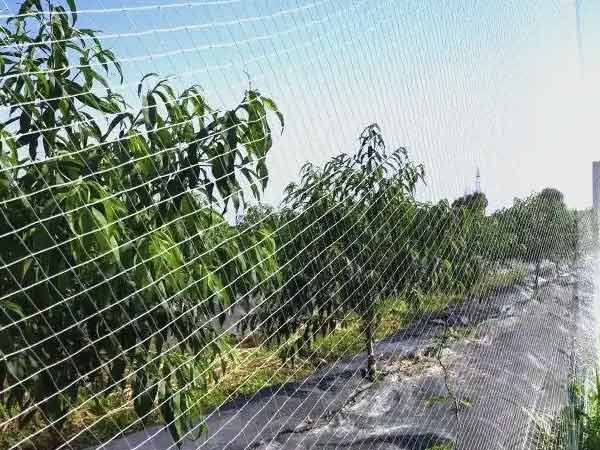
If you grow grapes, cherries, or blueberries, you already know how quickly birds can damage a crop. HDPE anti-bird netting is designed to keep those unwanted visitors out without heavily blocking light or airflow. Once installed, it helps protect the fruit through the ripening period and reduces the need for constant manual guarding.
Most orchards use 15–25 mm mesh openings. This size is generally small enough to block common birds while still allowing good ventilation and light transmission, which is why it remains one of the most common and practical choices in orchard protection.
2. Hail Netting
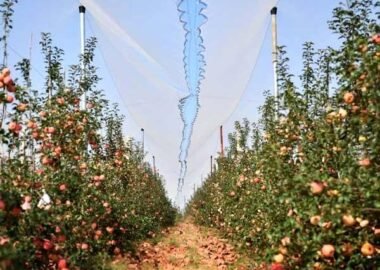
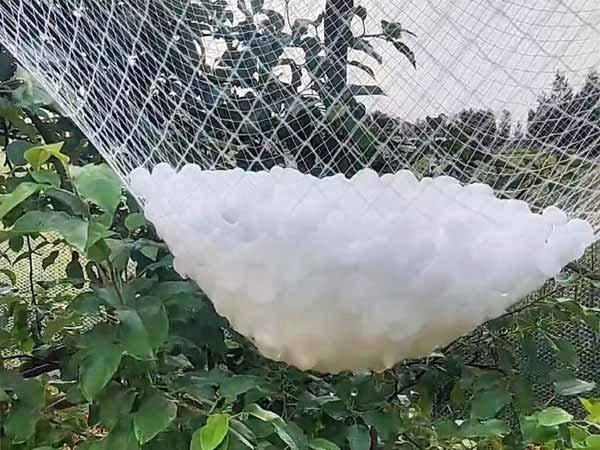
In regions with sudden hailstorms, crop loss can happen very quickly. A single storm can damage fruit, bruise branches, and reduce both yield and market value. HDPE hail netting works like a protective barrier above the orchard, helping absorb and spread hail impact before it reaches the crop.
Most orchards use 4–10 mm small mesh openings. This mesh density helps reduce hail damage while keeping the net structure strong enough for outdoor use. It is also one of the most widely chosen hail protection specifications among our global customers.
3. Insect & Fruit Fly Netting
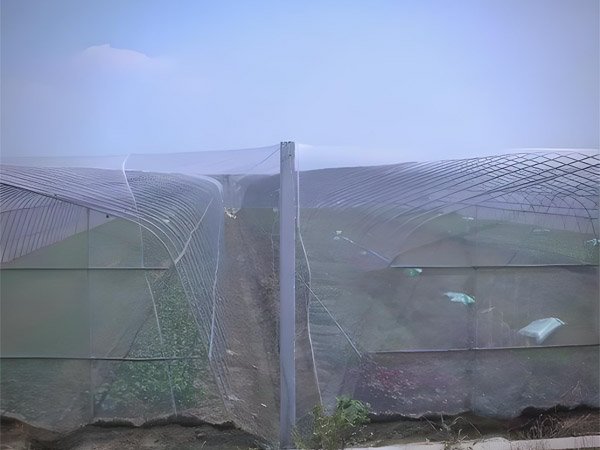
For crops such as tomatoes, cucumbers, peppers, and strawberries, insect pressure can quickly become a serious problem. Whiteflies, thrips, and fruit flies are difficult to control once they enter the growing area, especially in protected cultivation.
HDPE insect netting uses a much finer mesh structure to physically block these small pests while still allowing airflow. Because the target pests are much smaller than birds or hail, insect netting is normally described by mesh count rather than mesh opening size. Common HDPE insect netting is usually 40–80 mesh, depending on the pest pressure and ventilation requirement.
4. Shade & Anti-sunburn Netting
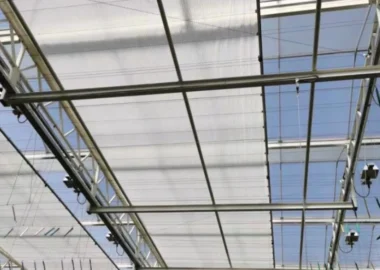
In hot and high-radiation climates, one of the main functions of HDPE netting is to provide shade, reduce heat stress, and help prevent crop sunburn. Shade netting allows growers to lower light intensity while still keeping the growing area ventilated.
Its performance is usually described by shade rate, such as 30%, 50%, or 70%. The right shade rate depends on the crop type, local climate, and production goal.
5. Windbreak Netting
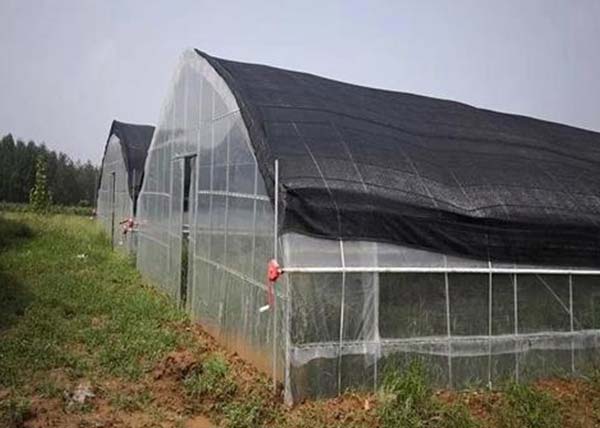
In orchards growing grapes, apples, kiwifruit, and similar crops, HDPE windbreak netting is often installed along orchard boundaries or above exposed growing areas to reduce wind speed to a safer level. In greenhouses, it is commonly used around vents or side openings, where it can help control wind while still allowing air exchange. In coastal farming areas, it is also used to reduce the effects of strong sea winds and salt mist.
A common windbreak net usually has around 40% porosity, which helps reduce wind speed without creating excessive turbulence. For best performance, windbreak netting should generally be installed perpendicular to the prevailing wind direction, which is a widely followed industry principle.
6. Aquaculture Netting
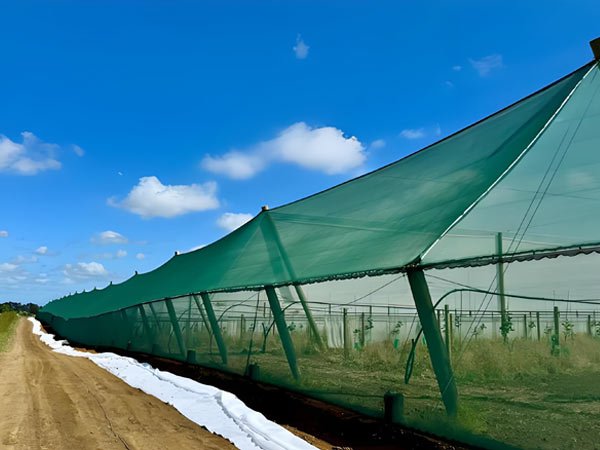
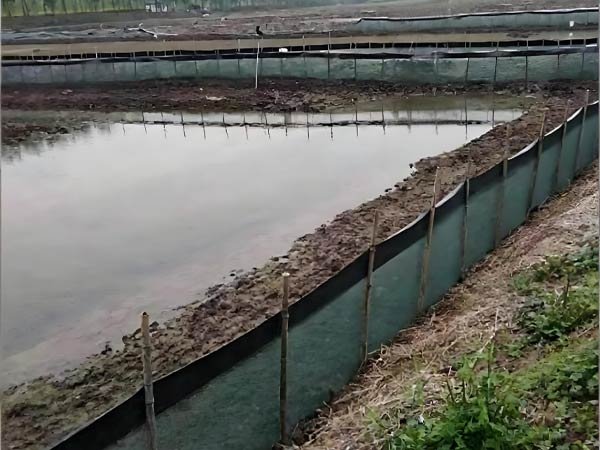
HDPE netting is also widely used in aquaculture because it combines high tensile strength with good resistance to water, sunlight, and salt exposure. It can be used around ponds or cages to prevent fish from escaping, or above the water surface to reduce bird predation from herons, gulls, and other predators.
Whether used in fish ponds, shrimp ponds, or cage farming systems, HDPE netting remains a practical choice. In coastal areas, its resistance to salt mist and corrosion makes it even more useful in long-term outdoor applications.
7. Home & Garden Netting
Many of the agricultural uses mentioned above also apply on a smaller scale in home gardens. In vegetable gardens, yards, patios, and balconies, HDPE netting is often used as a simple, flexible protective material.
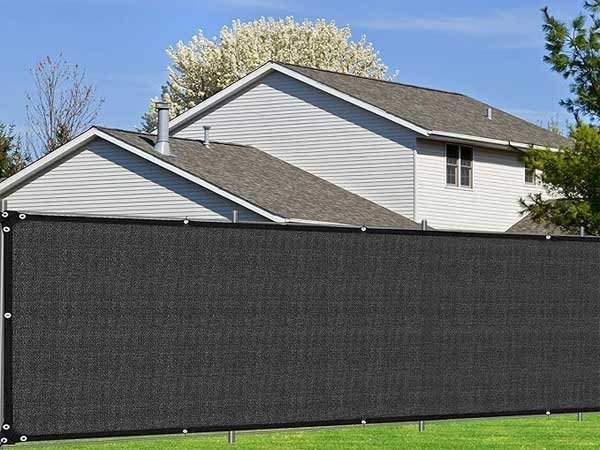
It can serve as a garden fence, privacy screen, balcony safety net for children or pets, or bird protection cover for home fruit trees. Because it is lightweight, easy to install, and relatively low in cost, it is often one of the most practical options for household use.
The next four sections focus on HDPE netting in construction. These products may look similar at first glance, but their functions are very different. Once you understand the application logic behind each one, the difference becomes much clearer.
8. Scaffold & Debris Netting
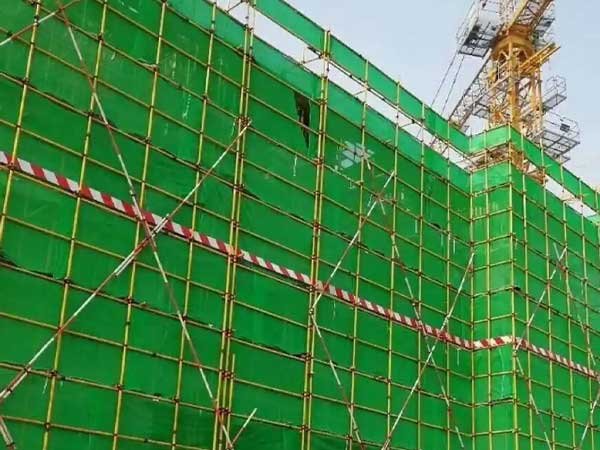
The green or blue outer mesh often seen around building scaffolding is usually scaffold or debris netting. Its main role is to reduce the risk of falling tools, broken materials, or construction debris causing harm to workers and pedestrians below.
Because HDPE is UV-resistant, strong, and not easy to age outdoors, it performs well even when exposed on building exteriors for long periods. That is why it has become one of the most common basic protective materials on construction sites.
9. Fall Protection Netting
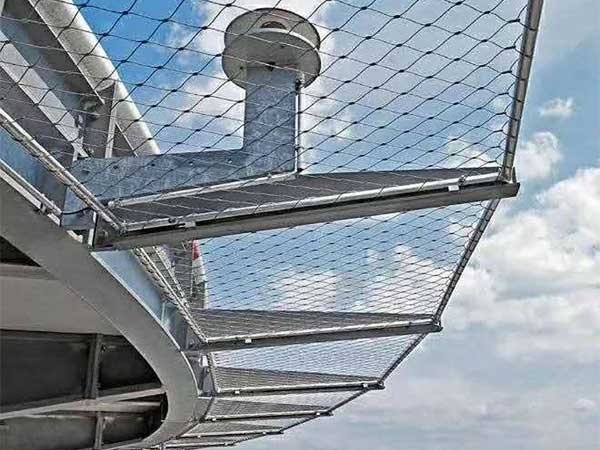
In elevated work areas or multi-story construction, accidental falls are one of the most serious safety risks. Fall protection netting is different from scaffold netting. It is not mainly used as an exterior wrap. Instead, it is installed around floor edges, openings, or below active work zones to catch or reduce the impact of a fall.
Compared with scaffold netting, this type of net is thicker, stronger, and designed to provide impact buffering. In many cases, it acts as the last layer of protection in high-altitude work environments.
10. Construction Shade / Wrap Net
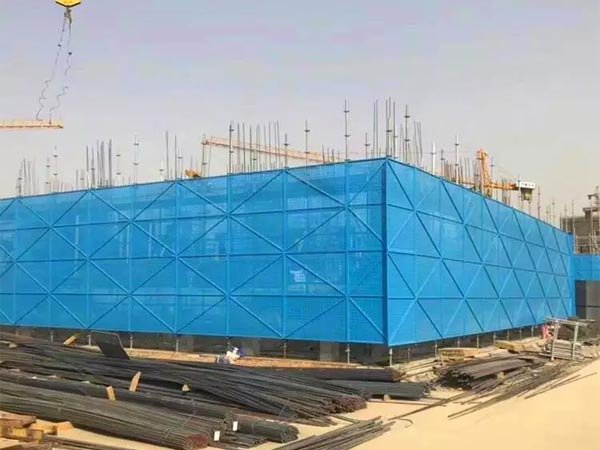
Some construction sites are covered almost entirely with colored outer mesh. That material is usually construction shade netting or wrap netting. Its main purpose is not to catch debris, but to improve site screening, reduce dust spread, and provide some shading in hot conditions.
It can also make the site look more organized and reduce visual disturbance to nearby residents, so it serves both practical and environmental management functions.
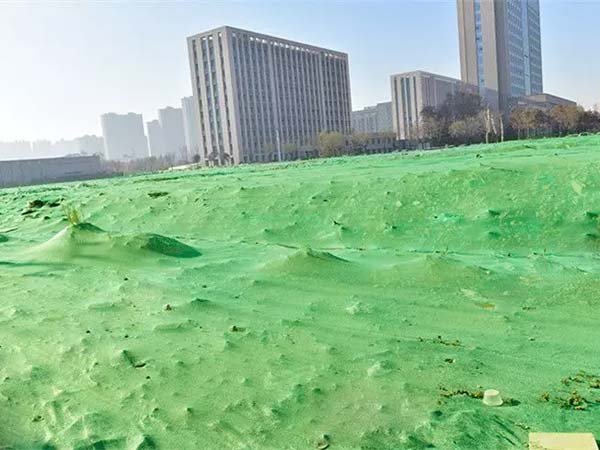
11. Dust Control Netting
Dust control netting in construction is not usually hung on the building exterior. Instead, it is often laid directly over exposed soil, sand piles, or spoil piles to reduce dust movement.
HDPE dust nets are lightweight, breathable, and UV-resistant, which makes them especially useful on windy days or in projects where environmental compliance is important. In practical use, they can help reduce dust spread and improve site conditions for both workers and surrounding communities.
12. Industrial & Logistics Netting
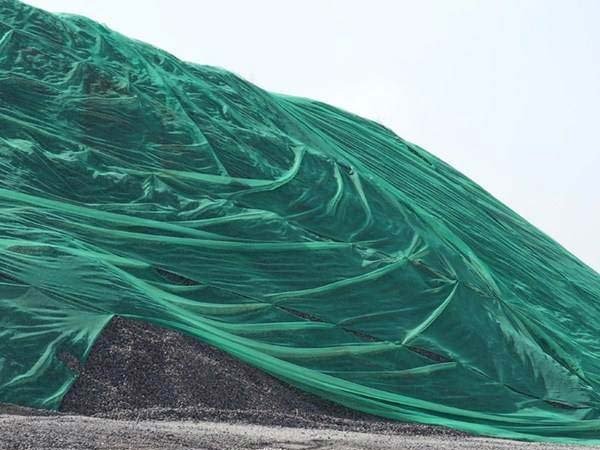
Compared with agriculture and construction, HDPE netting is less visible in industrial and logistics environments, but it still plays an important role. In this sector, its most common uses include stockpile dust suppression, large material covering, and lightweight isolation around factory or equipment areas.
At ports, mines, terminals, and bulk storage yards, piles of coal, ore, sand, or aggregate are often large and exposed for long periods. Ordinary light-duty dust nets are usually not enough for these conditions. Industrial-grade HDPE nets are typically thicker, stronger, and more abrasion-resistant, making them better able to withstand long-term exposure to wind, sun, and harsh outdoor conditions.
In addition, many factories and storage sites use HDPE netting for lightweight separation, such as keeping birds out of workshops or food processing areas, or creating simple barriers around equipment zones. It is not a replacement for metal fencing, but for light-duty protection where corrosion resistance and low cost matter, it remains a practical choice.
Overall, HDPE nets used in industrial environments place more emphasis on weather resistance, wind-load resistance, and corrosion resistance than the lighter netting commonly used on construction sites.
The final four sections move into public infrastructure, where HDPE netting also has a number of practical and specialized uses.
13. Waterway Debris Netting
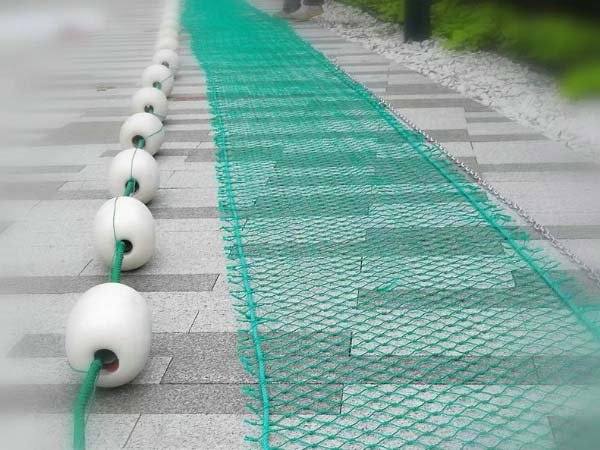
In reservoirs, rivers, drainage channels, and water intake areas, HDPE floating debris nets are used to intercept branches, plastic waste, and other floating materials before they block gates or damage intake structures.
In engineering practice, the required net strength, float combination, and anchoring system are usually selected based on factors such as flow speed, water-level changes, and flood conditions. In some applications, these nets are also used together with steel trash racks to create a layered interception system that makes later cleanup more efficient.
14. Municipal Landfill & Dust Nets
At landfills, construction waste yards, or spoil disposal sites, HDPE cover nets can be used to hold down exposed waste or loose materials, helping reduce dust and prevent lightweight debris from being blown away.
That said, this is not a mainstream solution in municipal solid waste management. We list it here mainly to show that under certain project conditions, HDPE netting can still be used as an auxiliary option.
15. Environmental Protection & Sand Control
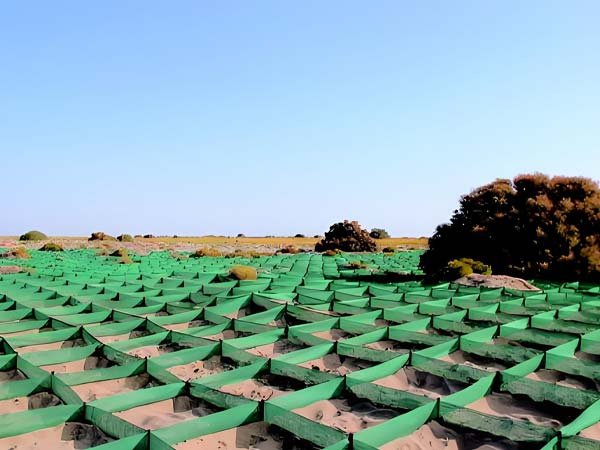
In desertification control and windblown sand protection along highways and railways, HDPE sand control netting is mainly used to reduce near-ground wind speed and trap moving sand particles. It is often an important part of sand barrier systems.
Studies commonly suggest a porosity of 20–40% for sand barriers, while the final layout and height should be adjusted based on local wind direction, terrain, and road position. In real projects, HDPE sand control netting is often combined with straw checkerboards, shrub belts, or other measures to build a more complete wind and sand control system.
16. Highway / Railway / Airport Perimeter Netting
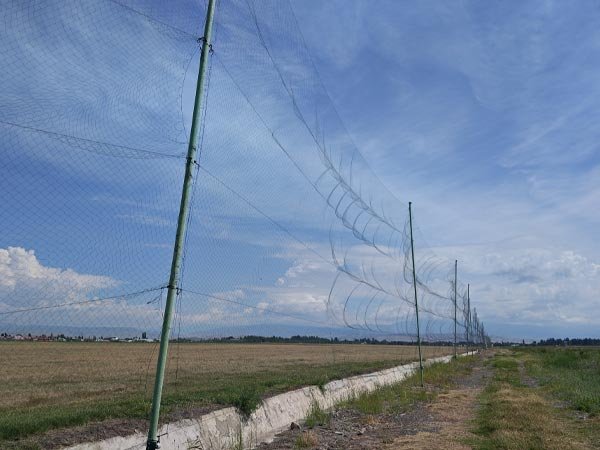
Around transportation infrastructure, HDPE netting is mainly used for sand control or as an auxiliary separation material. Along highways and railways in sandy areas, it helps reduce crosswinds and limit sand accumulation on roadbeds. Its design logic is similar to that of desert road sand barriers, and the final porosity and height are often determined through testing or simulation.
Around airports, some facilities also combine HDPE netting with metal fencing, barbed wire, and bird deterrent systems to reduce bird activity and help keep larger animals out. This kind of use fits the broader wildlife hazard management approach followed in civil aviation environments.
How to Choose and Buy HDPE Nets
Whether you are buying for agriculture, construction, industry, or public infrastructure, the basic rule is the same: choose the right specification first, then choose the right supplier.
When selecting HDPE netting, key factors usually include:
- mesh size, such as 15–25 mm for bird control, 4–10 mm for hail protection, or 40–80 mesh for insect control
- GSM, which affects the strength and durability
- UV resistance level, which affects the outdoor service life
- net construction type, such as knitted or woven
These technical details directly affect the product’s strength, weather resistance, and long-term performance.
For B2B projects, supplier capability is just as important as product specification. Buyers should check whether the supplier has a reliable quality system in place, including material testing, UV aging tests, batch traceability, and compliance with relevant requirements such as ASTM, OSHA, or CE where applicable.
If your project also requires customization, such as special dimensions, colors, reinforced edges, or anti-aging formulations, these details should be confirmed before production begins. This helps avoid common purchasing mistakes, such as choosing the wrong mesh size, leaving edges unreinforced, or using insufficient GSM for the intended service life.
Conclusion
These 16 application scenarios show that HDPE netting has developed far beyond its traditional image as a simple agricultural material. Today, it is used as a practical protective solution across orchards, construction sites, industrial yards, and public infrastructure projects.
Its combination of light weight, good tensile strength, weather resistance, and easy installation is one of the main reasons demand continues to grow worldwide.
For wholesalers, contractors, and project buyers, understanding the application logic and selection criteria for different HDPE nets can help reduce errors early in the project and lead to more reliable purchasing decisions.
If you are planning an agricultural project, construction project, industrial dust control system, or public infrastructure protection project, and you are looking for durable, cost-effective HDPE netting with professional customization support, INSONSHADE is ready to help.