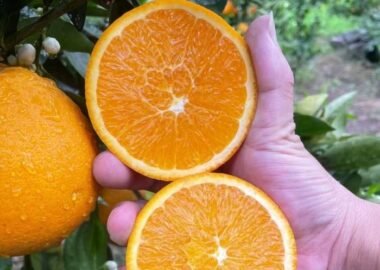
If you have ever eaten a seedless orange, lemon, or mandarin, you may have wondered one simple thing: if the fruit has no seeds, how is the tree grown in the first place?
This is where many new growers get confused. In this guide, we will explain what seedless citrus really means, how these trees are propagated, how to care for them, and what growers should know to keep the fruit as seedless as possible.
What Does “Seedless Citrus” Really Mean?
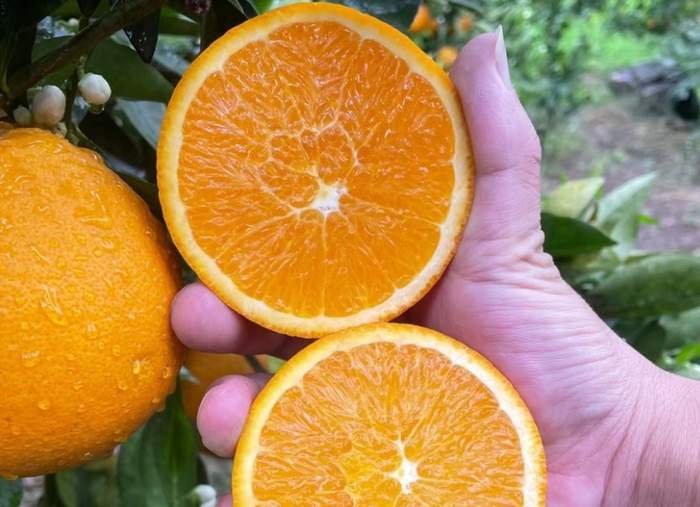
“Seedless citrus” usually means the fruit has no noticeable seeds or only a very small number of seeds. It does not always mean the tree can never produce seeds under any condition. Some seedless citrus varieties are very stable, while others may become seedy if they receive pollen from another compatible citrus variety nearby.
In simple terms, seedless citrus happens when the fruit can develop without normal seed formation. In some varieties, the fruit grows even without successful fertilization; in others, seed development starts but stops early. This is why seedlessness should be understood as a fruit trait, not as a guarantee that every fruit will always contain zero seeds.
How Seedless Citrus Trees Are Propagated
Seedless citrus trees are usually not grown from seeds. If you plant a seed from a citrus fruit, the new tree may not keep the same fruit quality, and it may take many years before it starts producing fruit. This is why most reliable seedless citrus trees are propagated through methods such as grafting, budding, or sometimes cuttings.
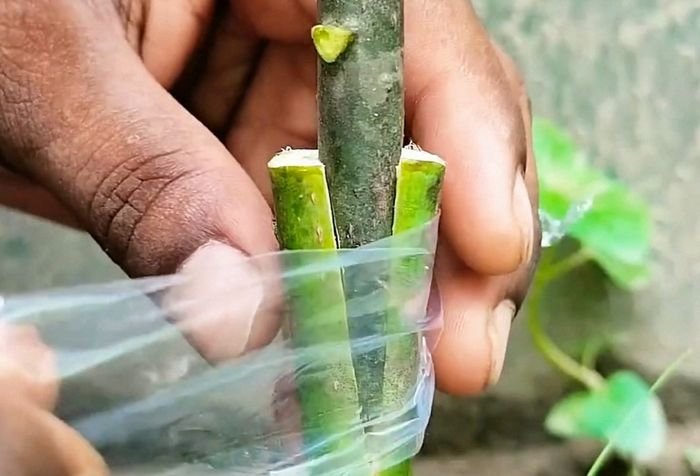
For growers, the most important point is simple: if you want to grow seedless citrus with more predictable fruit quality, choose a healthy grafted tree from a reliable nursery. A grafted seedless citrus tree is produced by joining the desired citrus variety to a suitable rootstock, which helps preserve the fruit traits of the parent variety while also giving the tree better root performance, disease tolerance, or climate adaptability.
How to Grow and Care for Seedless Citrus Trees
Seedless citrus trees need the same basic growing conditions as most citrus trees. They grow best in a sunny, warm location with well-drained soil, steady watering, and regular feeding during the active growing season. The goal is not to use a special “seedless citrus” method, but to help the tree build a healthy root system and a balanced canopy.
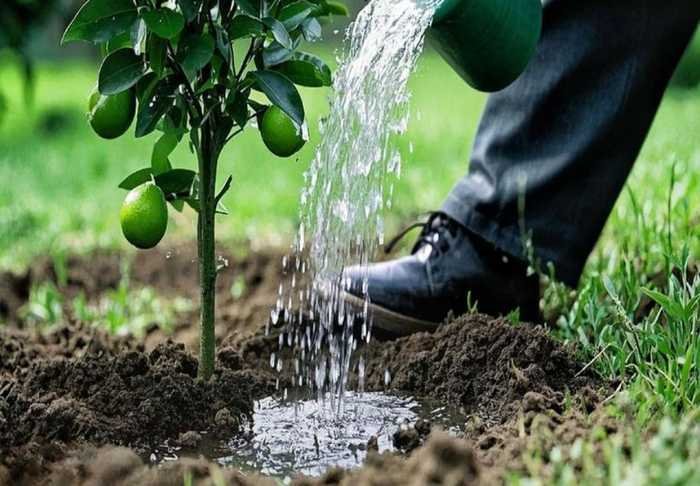
For most growers, the key is to avoid extremes. Too little sun can reduce flowering and fruit quality, while waterlogged soil can damage citrus roots. Too much pruning may weaken the tree, but no pruning at all can reduce airflow and make pest problems harder to control. If you grow seedless citrus in a container, drainage and frost protection become even more important.
| Growing Factor | What to Do | Why It Matters |
| Sunlight | Plant in a full-sun location when possible. | Citrus needs strong light for healthy growth, flowering, and fruit quality. |
| Soil & Drainage | Use well-drained soil and avoid waterlogged areas. | Wet roots can lead to poor growth and root disease. |
| Watering | Water deeply, then allow the soil surface to dry slightly. | Citrus needs steady moisture but does not like constantly soggy soil. |
| Fertilizing | Use citrus fertilizer during the active growing season. | Regular nutrition supports leaf growth, flowering, and fruit development. |
| Pruning | Prune lightly to remove weak, damaged, or crowded branches. | Better airflow helps reduce disease pressure and keeps the canopy manageable. |
| Cold Protection | Protect young trees or container trees from frost. | Citrus is sensitive to cold damage, especially in cooler climates. |
| Container Growing | Choose a pot with good drainage and enough root space. | Container trees dry out faster and need more careful water and temperature management. |
In short, seedless citrus does not require a completely different care routine from ordinary citrus. The more important difference is that growers should start with a reliable grafted tree and then provide stable growing conditions, because both the tree source and the environment affect long-term fruit quality.
Will Seedless Citrus Stay Seedless After Planting?
A seedless citrus tree will not always produce perfectly seedless fruit under every condition. Some varieties have a very stable seedless trait, while others may develop seeds if they receive pollen from a compatible nearby citrus variety. This is especially important for mandarins and some citrus hybrids, where cross-pollination can increase seed formation in the fruit.
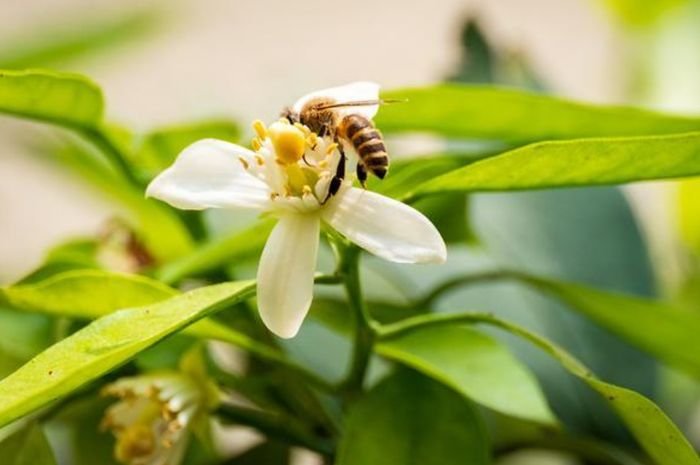
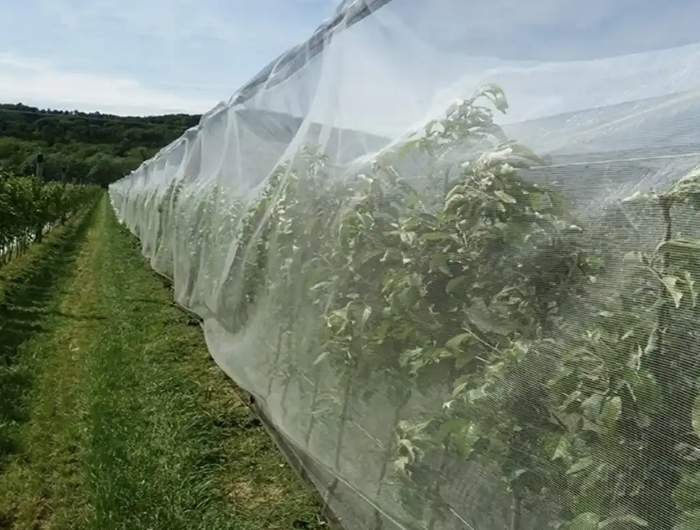
For home growers, this usually does not need to be overcomplicated. If you only have one citrus tree or there are not many compatible citrus varieties nearby, the fruit may remain mostly seedless. But for commercial orchards, nurseries, or growers who need a more consistent seedless crop, pollination control becomes more important. This may involve choosing suitable varieties, carefully planning the orchard layout, reducing unwanted pollen sources, or separating sensitive varieties during flowering. For example, bee netting can be used during the flowering period to reduce unwanted movement of bees between citrus varieties and lower the risk of cross-pollination.
Common Mistakes to Avoid When Growing Seedless Citrus
If you have understood the points above, these common mistakes become easier to avoid. Most problems do not come from seedless citrus being difficult to grow, but from misunderstanding how the tree is propagated, how it should be cared for, and how pollination may affect seed formation.
Mistake 1. Trying to Grow Seedless Citrus from Seed
Seedless citrus should not be treated as a seed-grown crop. Even if a fruit contains a few seeds, planting them does not guarantee the new tree will produce the same seedless fruit. For more predictable results, growers should start with a healthy grafted tree from a reliable nursery.
Mistake 2. Ignoring the Growing Environment
Some growers focus only on the word “seedless” and forget that the tree still needs proper citrus care. Poor drainage, weak sunlight, cold stress, or irregular watering can all reduce tree health and fruit quality. A good variety still needs the right growing conditions to perform well.
Mistake 3. Assuming All Seedless Citrus Varieties Behave the Same
A seedless lemon, a navel orange, and a seedless mandarin may have different growth habits, climate needs, harvest timing, and sensitivity to pollination. In commercial orchards, this difference matters even more because nearby citrus varieties and bee activity may affect seed formation in some sensitive varieties. Before planting, growers should confirm the variety, rootstock, suitability for the local climate, and whether additional pollination control is needed.
FAQs
Can you grow seedless citrus from seed?
In most cases, you should not rely on seeds if you want to grow true seedless citrus. Seed-grown citrus may not keep the same fruit traits as the parent variety, and it can take many years before the tree produces fruit. A grafted tree from a reliable nursery is usually the better choice.
Are seedless citrus fruits natural?
Yes, many seedless citrus fruits come from natural plant traits, breeding selection, or mutations that growers preserve through propagation. “Seedless” does not automatically mean the fruit is genetically modified. In many cases, the fruit simply develops without normal seed formation, or the seeds stop developing at an early stage.
Do seedless citrus trees need pollination?
Some seedless citrus varieties can set fruit without normal fertilization, while others may still benefit from flower activity or environmental conditions that support fruit set. However, if the variety is sensitive to cross-pollination, pollen from nearby citrus trees may increase the chance of seed formation.
Will a seedless citrus tree always produce seedless fruit?
Not always. Some varieties are very stable and remain mostly seedless, while others may produce seeds under certain pollination conditions. This is why commercial growers often pay attention to nearby citrus varieties, bee movement, and orchard layout.
Can seedless citrus grow in containers?
Yes, many seedless citrus trees can grow in containers, especially if they are grafted onto suitable rootstock. The key is to use a well-drained potting mix, choose a container with drainage holes, provide enough sunlight, and protect the tree from frost in colder regions.
How long does a grafted seedless citrus tree take to fruit?
A grafted seedless citrus tree usually fruits much sooner than a seed-grown tree, but the exact timing depends on the variety, rootstock, tree age, climate, and care. In many home gardens, a healthy grafted citrus tree may begin producing fruit within a few years after planting.